Como el Uruguay no hay · 1960
Como el Uruguay no hay (1960) is a Documentary film directed by Ugo Ulive.
Documentary
Como el Uruguay no hay (1960) is a Documentary film directed by Ugo Ulive.
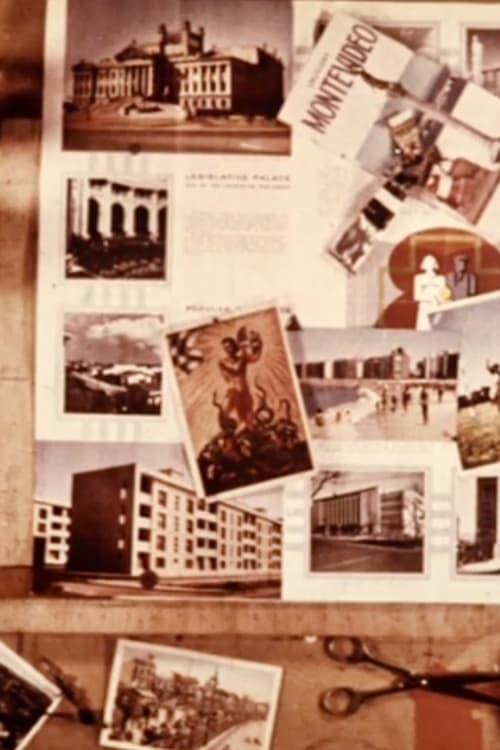
Early on, Ugo Ulive, with his short film Como el Uruguay no hay (1960), seeks to raise awareness and involve the viewer in political action and its radical transformation. Through a collage of animations, archival footage and a counterpoint sound montage, Ulive attacks traditional left-wing and right-wing politics and exposes the contradictions of a pillar of national identity: Uruguay's famous democracy. Note that we are in 1960 and while the voice over presents Montevideo as "a small agitated city", the images show a tense scenario with social protests and a politicized urban space with the presence of mounted police.
Forgot the name of "Como el Uruguay no hay"? Describe the plot or a scene and let MovieMind find it.
Find a movie by describing itEarly on, Ugo Ulive, with his short film Como el Uruguay no hay (1960), seeks to raise awareness and involve the viewer in political action and its radical transformation. Through a collage of animations, archival footage and a counterpoint sound montage, Ulive attacks traditional left-wing and right-wing politics and exposes the contradictions of a pillar of national identity: Uruguay's famous democracy. Note that we are in 1960 and while the voice over presents Montevideo as "a small agitated city", the images show a tense scenario with social protests and a politicized urban space with the presence of mounted police.
Como el Uruguay no hay was released in 1960.