 5.0
5.01966, My Time in the Red Guards · 1993
1966, My Time in the Red Guards (1993) is a Documentary film directed by Wu Wenguang.
Documentary
5.01966, My Time in the Red Guards (1993) is a Documentary film directed by Wu Wenguang.
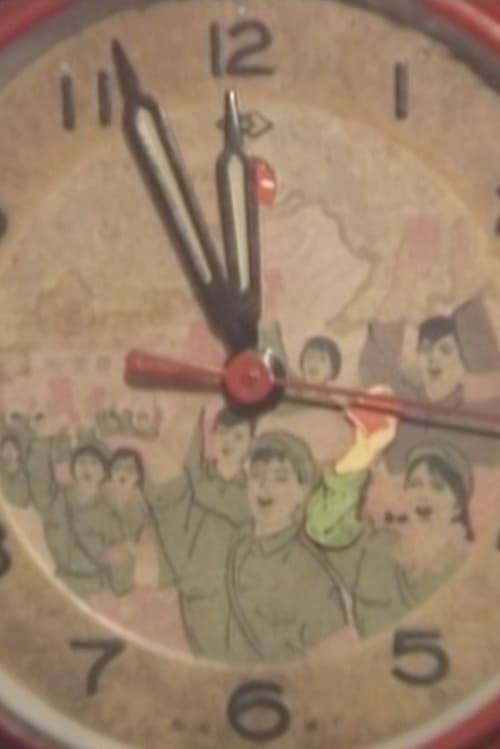
More preoccupied with "history" than Wu's other works, My Time in the Red Guards is a record of his fascination with the missed moment, Mao's Cultural Revolution. In 1966, the Red Guards ironically represented the official avant-garde, a movement carried forward by youth determined to become heroes of the Revolution. Wu interviews people who had joined the Red Guards as high schoolers, most now successful professionals, some Party members. The miscalculations and cruelties of this extreme cultural campaign are spread out before us, detailed by personal recollection and further illustrated by old agit-prop newsreels. Misgivings and fond remembrance vie for position as the interviewees seem to confuse the nostalgia of youthful action with the excesses of historical fact.
Forgot the name of "1966, My Time in the Red Guards"? Describe the plot or a scene and let MovieMind find it.
Find a movie by describing itMore preoccupied with "history" than Wu's other works, My Time in the Red Guards is a record of his fascination with the missed moment, Mao's Cultural Revolution. In 1966, the Red Guards ironically represented the official avant-garde, a movement carried forward by youth determined to become heroes of the Revolution. Wu interviews people who had joined the Red Guards as high schoolers, most now successful professionals, some Party members. The miscalculations and cruelties of this extreme cultural campaign are spread out before us, detailed by personal recollection and further illustrated by old agit-prop newsreels. Misgivings and fond remembrance vie for position as the interviewees seem to confuse the nostalgia of youthful action with the excesses of historical fact.
1966, My Time in the Red Guards was released in 1993.