The Survivor in a Tuxedo, Tracing Elie Wiesel
The Survivor in a Tuxedo, Tracing Elie Wiesel is a Documentary film directed by David Fisher.
Documentary
The Survivor in a Tuxedo, Tracing Elie Wiesel is a Documentary film directed by David Fisher.
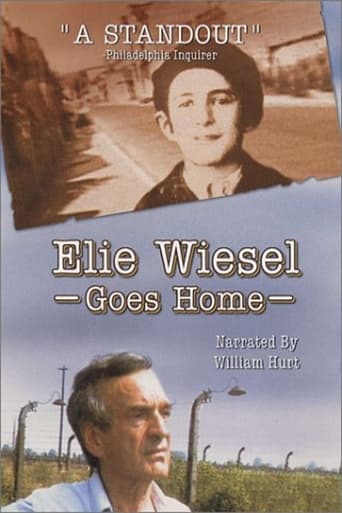
At 28, Elie Wiesel wrote a letter revealing his ambition to win the Nobel Prize for Literature for 'Night', written after his liberation from the camps. Decades later, he did win the Nobel Prize — for Peace. In that gap his entire life. Wiesel became the conscience of the free world — wearing his survival like a tuxedo over the prisoner's uniform with which he could never part. The filmmaker, whose father was deported on the same train to Auschwitz as Wiesel, sets out on a personal investigation believing that important figures deserve more than reverence — they deserve the truth.
Forgot the name of "The Survivor in a Tuxedo, Tracing Elie Wiesel"? Describe the plot or a scene and let MovieMind find it.
Find a movie by describing itAt 28, Elie Wiesel wrote a letter revealing his ambition to win the Nobel Prize for Literature for 'Night', written after his liberation from the camps. Decades later, he did win the Nobel Prize — for Peace. In that gap his entire life. Wiesel became the conscience of the free world — wearing his survival like a tuxedo over the prisoner's uniform with which he could never part. The filmmaker, whose father was deported on the same train to Auschwitz as Wiesel, sets out on a personal investigation believing that important figures deserve more than reverence — they deserve the truth.